Table of contents:
Analyzing the Thermal Dynamics of High-Power Photography Stage Lights
Innovations in Material Science Driving Next-Generation Cooling Systems
How Computational Fluid Dynamics Shapes Modern Heat Sink Design
Balancing Form and Function in Thermal Module Engineering for Lighting
Analyzing the Thermal Dynamics of High-Power Photography Stage Lights
The thermal dynamics of high-power photography stage lights present unique challenges that require specialized solutions. These lights, often operating at 200-300W, generate significant heat that must be efficiently dissipated to maintain performance and longevity. Heat sink manufacturers have responded by developing customized radiator systems tailored to the specific needs of these high-output devices. By analyzing the heat distribution patterns and thermal bottlenecks within these lights, engineers can design heat sinks that maximize surface area and optimize airflow, ensuring that heat is quickly and evenly dispersed from critical components.
Innovations in Material Science Driving Next-Generation Cooling Systems
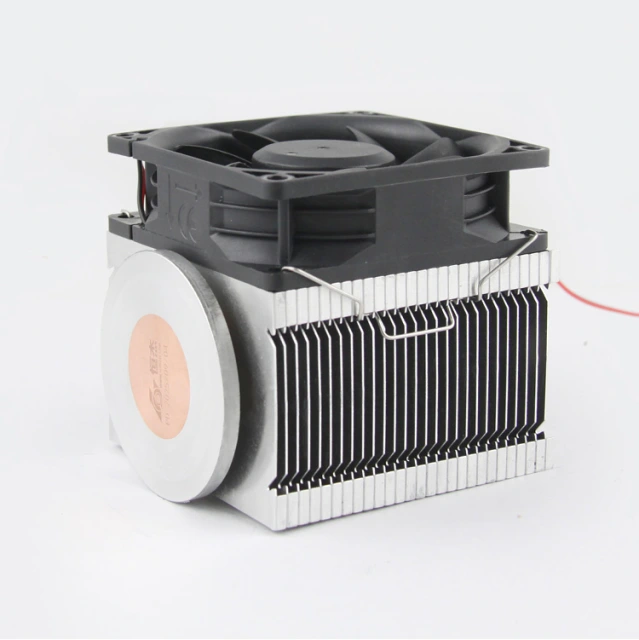
Advancements in material science have opened new avenues for heat sink manufacturers to customize radiator designs. The integration of high-performance materials like sintered copper heat columns and aluminum fin assemblies has revolutionized thermal management in lighting systems. These materials offer superior heat conductivity and allow for more compact and efficient cooling solutions. The ability to customize radiator designs using these advanced materials enables heat sink manufacturers to create bespoke cooling systems that perfectly match the thermal profile of specific lighting equipment, thereby enhancing overall performance and reliability.
How Computational Fluid Dynamics Shapes Modern Heat Sink Design
The application of computational fluid dynamics (CFD) has transformed the way heat sink manufacturers approach thermal management. This powerful tool allows engineers to simulate and visualize airflow and heat transfer within complex lighting systems, leading to more effective customize radiator designs. By leveraging CFD, heat sink manufacturers can optimize fin geometries, fan placements, and overall heat sink architecture to achieve maximum cooling efficiency. This data-driven approach not only improves thermal performance but also helps in reducing material usage and energy consumption, resulting in more sustainable and cost-effective lighting solutions.
Balancing Form and Function in Thermal Module Engineering for Lighting
The challenge for heat sink manufacturers lies not only in creating efficient cooling systems but also in designing solutions that integrate seamlessly with the aesthetic and functional requirements of modern lighting equipment. The CF-80x55H92M model exemplifies this balance, offering a compact 80x55x92mm form factor that can be easily incorporated into various lighting setups. Heat sink manufacturers must consider factors such as weight, noise levels, and ease of maintenance when developing their products. By working closely with lighting designers, these manufacturers can customize radiator solutions that enhance rather than hinder the overall design and usability of professional lighting equipment.
As the lighting industry continues to push the boundaries of performance and efficiency, the role of thermal management becomes ever more critical. Heat sink manufacturers are at the forefront of this technological advancement, developing innovative cooling solutions that enable the creation of more powerful and reliable lighting systems. The ability to customize radiator designs to meet specific thermal challenges has become a key differentiator in the market. By leveraging advanced materials, computational modeling, and years of expertise, these manufacturers are not just solving current thermal issues but are also paving the way for the next generation of high-performance lighting technology. The future of illumination is bright, and it's being shaped by the cool innovations of heat sink design.


No comments:
Post a Comment