Table of contents:
The Role of Tungsten Carbide Rods in Industry
Comparative Analysis With Other Carbide Materials
Sourcing Strategies and Supply Chain Considerations
Environmental and Safety Considerations
The Role of Tungsten Carbide Rods in Industry
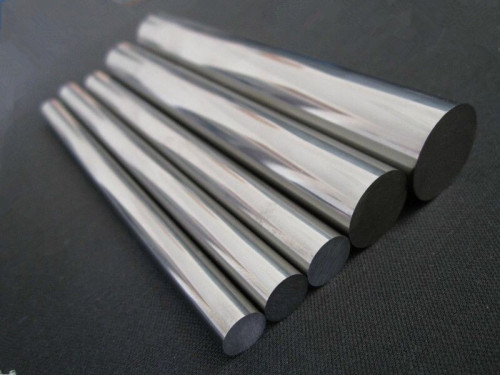
Tungsten carbide rods are widely utilized across industries due to their exceptional physical properties. These rods are integral to producing high-precision cutting tools such as drills, end mills, and reamers. Machine shops rely on tungsten carbide rods for their superior toughness, which is essential for machining tough materials like steel and alloys. Additionally, they find usage in mining, aerospace, and automotive sectors. Their ability to endure high temperatures and resist wear makes them excellent for operations that demand longevity and reliability. For example, tungsten carbide rods are frequently employed in producing molds and dies, offering precision and consistency in manufacturing plastic products and metalworking operations.
Comparative Analysis With Other Carbide Materials
When considering carbide materials, tungsten carbide stands out for its balanced properties of hardness and toughness. Compared to titanium carbide rods, tungsten carbide demonstrates better resistance to wear, making it more suitable for heavy-duty applications. On the other hand, cermet carbide combines ceramic and metallic components, offering excellent high-speed finishing capabilities. However, cermet carbide lacks the abrasion resistance of tungsten carbide, making it less viable for rugged environments. Cemented carbide rods, a subclass of tungsten carbide that incorporates a binder material like cobalt, enhance toughness further. While titanium carbide rods may excel in applications with extreme temperatures, tungsten carbide remains the material of choice for its versatility in industrial applications.
Sourcing Strategies and Supply Chain Considerations
Procuring tungsten carbide rods requires a strategic approach to ensure quality and reliability. Many businesses source their rods through trusted manufacturers who adhere to stringent quality control practices. Suppliers such as Best Tungsten offer a diverse range of products, including tungsten carbide rods and cemented carbide rods. When choosing a source, factors like the manufacturing process, material composition, and adherence to industry standards should be assessed. Collaborating with a supplier who can provide detailed specifications and properties ensures the application needs are met efficiently. Furthermore, enterprises must consider lead times, environmental certifications, and the supplier's ability to offer custom solutions based on specific industry requirements.
Environmental and Safety Considerations
The production and use of tungsten carbide rods, like many industrial materials, have environmental and safety aspects that need addressing. Tungsten extraction and processing can have environmental implications, including habitat disruption and energy consumption. However, advancements in recycling processes have allowed industries to recover and repurpose tungsten carbide materials efficiently. For instance, carbide scrap can now be recycled to produce fresh rods, significantly reducing waste. Additionally, manufacturers are increasingly adopting sustainable practices, opting for eco-friendly production techniques to minimize environmental impact. On the safety front, it is essential to ensure proper handling as manufacturing tungsten carbide may involve exposure to dust and particles that can cause respiratory issues. Utilizing adequate ventilation systems, protective gear, and training workers on safety protocols can mitigate such risks effectively.
Tungsten carbide rods continue to dominate industrial applications due to their unmatched strength, wear resistance, and adaptability across sectors. Unlike other carbide materials, tungsten carbide provides an optimal balance—not too brittle to fracture under stress yet hard enough to withstand high-friction environments. Combined with innovations in material science and sustainable practices, tungsten carbide rods remain top-tier components in the world of manufacturing and heavy industries.


No comments:
Post a Comment